
Can Beeswax Lip Balm Cause Perioral Dermatitis?
If you’re experiencing redness, bumps, dryness, or irritation around your mouth, you may be dealing with perioral dermatitis. While the exact cause can vary, certain skincare ingredients can sometimes trigger or worsen this condition.
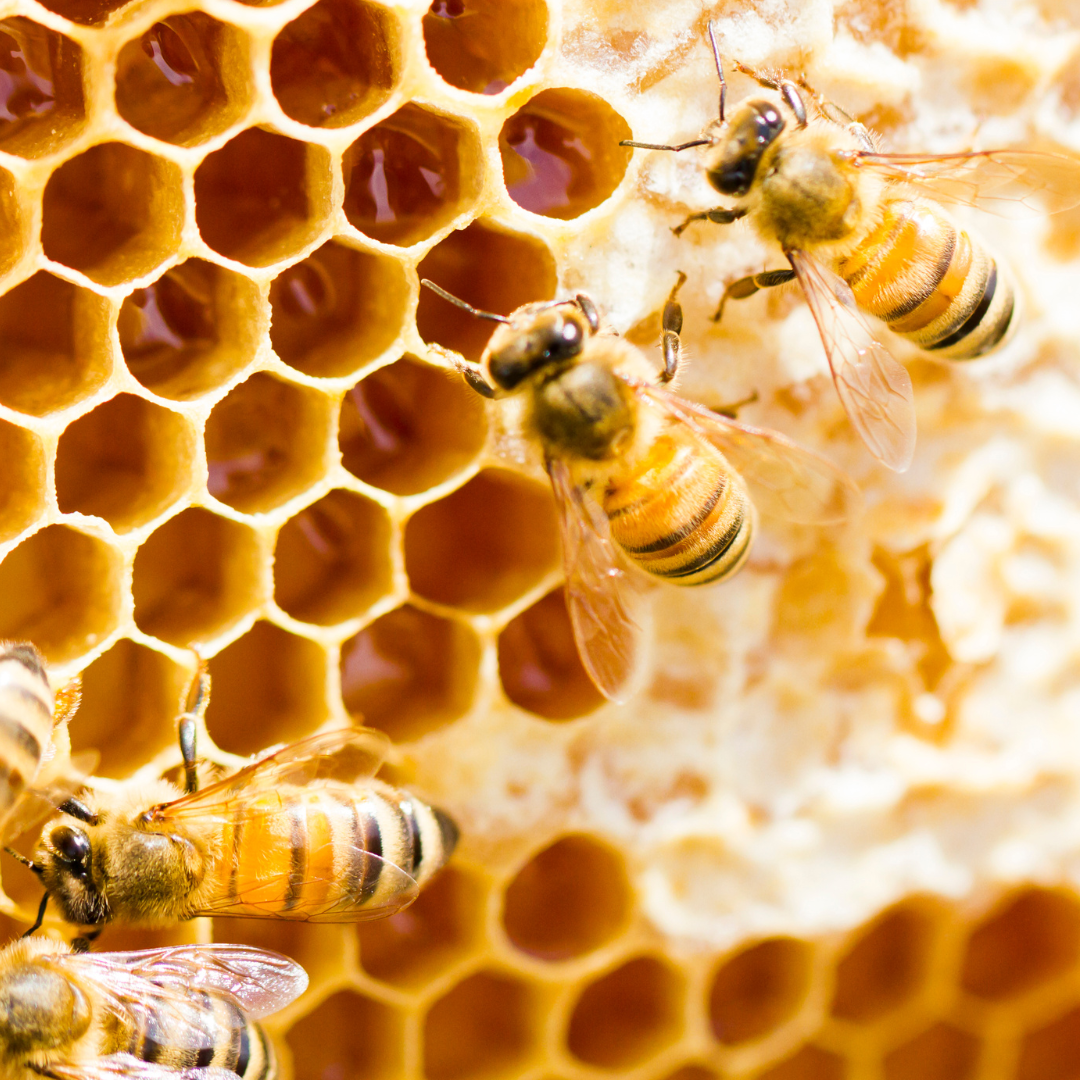
One ingredient that is often overlooked is beeswax, a common component in many lip balms.
Beeswax is widely used in natural skincare because it creates a smooth texture and forms a protective barrier that helps lock in moisture. However, for some individuals, beeswax or compounds associated with it may contribute to irritation around the mouth.
Understanding how ingredients interact with sensitive skin can help you identify potential triggers and find products that better support your skin.
Can Beeswax Lip Balm Cause Perioral Dermatitis?
For many people, beeswax works beautifully in skincare. But for others, reactions to beeswax or compounds naturally present in it may contribute to irritation.
Beeswax can sometimes contain trace substances such as pollen or propolis, a resin-like material bees collect from plants to seal their hives. While natural, propolis is a known allergen for some individuals.
For people who are sensitive, a beeswax lip balm allergy may present as:
• redness around the mouth
• itching or burning
• dry or flaky skin
• clusters of small bumps
These symptoms can closely resemble perioral dermatitis, which makes identifying the trigger difficult.
Because beeswax is often viewed as a gentle and natural ingredient, many people never suspect it may be contributing to the problem.
Why Lip Balm Can Make Irritation Worse
Lip balm is one of the most frequently applied personal care products. Many people apply it multiple times a day, especially when experiencing dryness.
If an ingredient in the balm is triggering irritation, repeated use can continually expose the skin to the same allergen.
This can create a cycle:
The skin becomes irritated.
Lip balm is applied to soothe dryness.
The triggering ingredient remains in contact with the skin.
Over time, this repeated exposure may worsen irritation rather than relieve it.
Learning how to identify common skincare triggers can be helpful for people with reactive skin. Our Complete Sensitive Skin Guide explains how the skin barrier works and how to choose products that reduce irritation.
Could Your Lip Balm Be Causing a Rash Around Your Mouth?
If you’ve developed redness, bumps, or irritation around your mouth, your lip balm could be a possible trigger.
Lip balms are applied frequently throughout the day, which means the skin around the mouth is repeatedly exposed to the same ingredients. If one of those ingredients causes irritation or an allergic reaction, symptoms may gradually worsen.
Some people notice that the rash improves when they stop using a particular lip balm and returns when they begin using it again. When this pattern occurs, it may suggest that an ingredient in the product is contributing to the irritation.
This type of reaction is sometimes mistaken for perioral dermatitis or simple dryness.
Why Does Lip Balm Sometimes Make Lips Feel Worse?
Lip balm is meant to soothe dryness, but in some cases it can seem to make irritation worse instead of better.
One reason is that certain ingredients form a very occlusive layer on the skin. While this barrier helps prevent moisture loss, it can also trap allergens or irritants against the delicate skin around the mouth.
When this happens, the skin may remain in constant contact with the ingredient that is causing the reaction. Because lip balm is reapplied frequently throughout the day, the skin may never get a chance to recover.
For people with sensitive or reactive skin, choosing products with simpler ingredient lists and fewer potential allergens can sometimes help break this cycle.
Sensitive Skin Around the Mouth
The skin around the mouth is thinner and more delicate than many other areas of the face. Because of this, it can react more quickly to environmental stressors or certain ingredients.
People who already have sensitive or reactive skin may be more likely to experience irritation from products applied near the lips.
Fragrance and other additives can sometimes worsen sensitivity as well. Our article Why Unscented Skincare Matters More Than You Think explains why many dermatologists recommend fragrance-free products for sensitive skin.
Alternatives to Beeswax Lip Balm
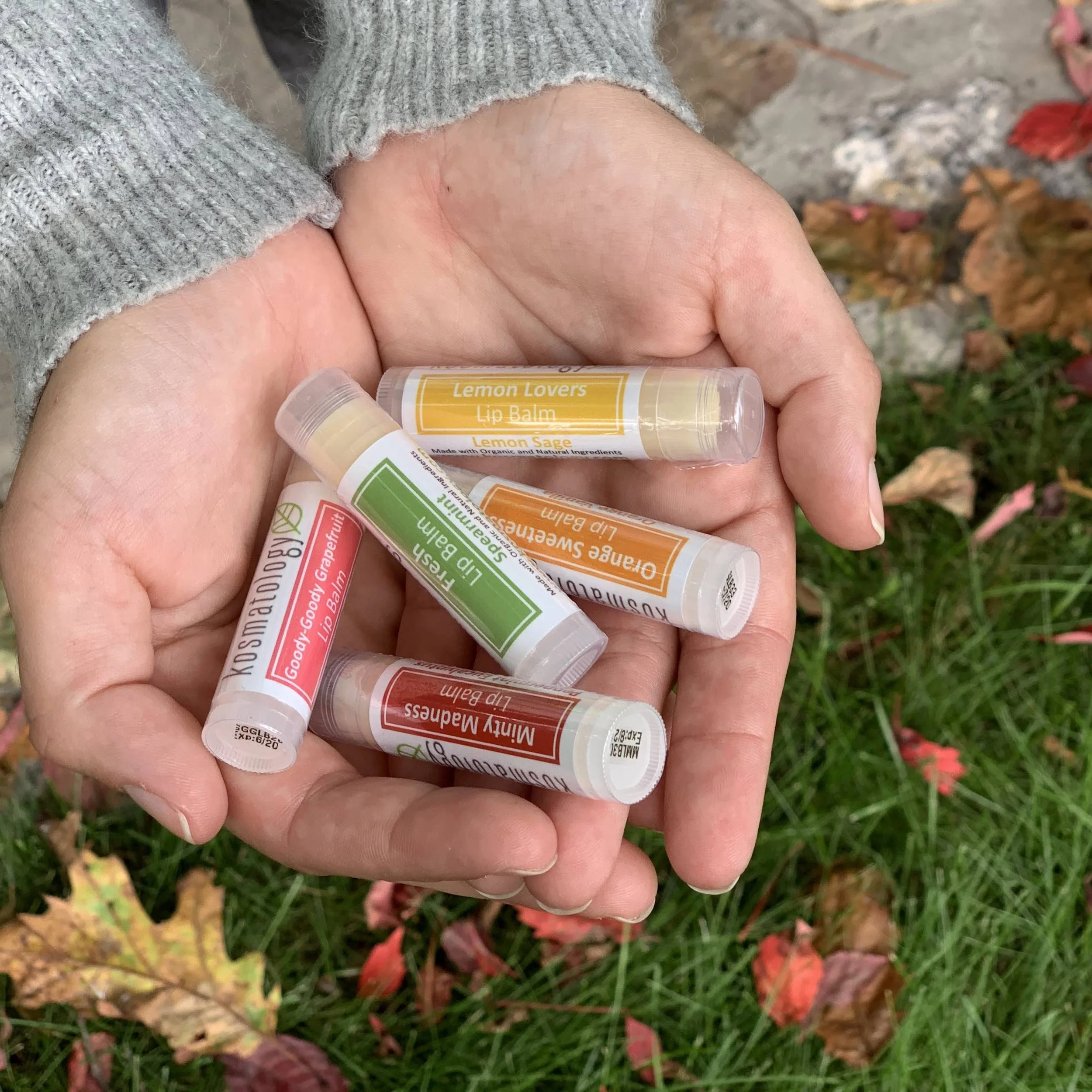
For individuals who suspect they may be sensitive to beeswax or propolis, switching to a beeswax-free lip balm may help reduce irritation.
Plant-based waxes can provide a similar texture and protective barrier while avoiding beeswax.
Many people find that simpler formulations allow irritated skin around the mouth to calm down more easily.
If dryness is contributing to irritation, restoring moisture and supporting the skin barrier can also help. Our article Understanding Dry Skin explains how dryness affects the skin and why maintaining hydration is important.
Listening to Your Skin
Your skin often provides clues when something in your routine isn’t working.
If redness or bumps around the mouth improve when you stop using a particular lip balm and return when you begin using it again, this pattern may suggest that an ingredient in the product is contributing to irritation.
Reviewing ingredient lists and simplifying your routine can sometimes help identify the source of the problem. For help with reading ingredient lists, you can download a copy of our Sensitive Skin Ingredient Checklist.
While beeswax works well for many people, those with sensitivities to beeswax or propolis may find that switching to a beeswax-free lip balm helps reduce irritation while still protecting the lips.
Frequently Asked Questions About Beeswax and Lip Balm Reactions
-
A: For some individuals, beeswax or trace compounds such as propolis may trigger an allergic reaction. Because lip balm is applied frequently, repeated exposure can sometimes lead to redness, irritation, or small bumps around the mouth.
-
A: Perioral dermatitis is a skin condition that causes redness, bumps, and irritation around the mouth. The exact cause can vary and may involve irritation, allergic reactions, or disruption of the skin barrier.
-
A: If symptoms improve when you stop using a particular lip balm and return when you start using it again, this pattern may suggest that an ingredient in the product is contributing to irritation.
-
A: Yes. Many lip balms use plant-based waxes and oils that provide hydration and protection without beeswax.

About the Author
Janis Covey, PharmD
Compounding pharmacist and founder of Kosmatology, Janis formulates gentle skincare designed for sensitive skin and families. Her work focuses on ingredient transparency, skin barrier support, and simple routines that help skin stay comfortable and healthy. Learn more about her approach to skincare on the About Kosmatology page.
Related Reading
• The Complete Sensitive Skin Guide: How to Choose Gentle Skincare
• Why Unscented Skincare Matters More Than You Think
• Understanding Dry Skin: Causes and How to Restore Hydration
• Ingredients to Avoid in Skincare and Personal Care Products